
Signs you need this
- • Hearing a neighbor's TV, conversation, or footsteps clearly through a shared wall or floor/ceiling, especially in a converted multi-family or condo unit
- • A home office, nursery, or bedroom that picks up noise from the rest of the house or an adjacent unit
- • A condo association or landlord fielding repeated noise complaints between units sharing a party wall
- • A new resident who immediately notices how much sound crosses a shared wall from the neighboring unit
- • A condo association renovating or converting units and wanting sound isolation addressed as part of the work, before it becomes an ongoing complaint
Why party walls in Brockton’s multi-family stock carry sound so easily
A huge share of Brockton’s housing stock was built as multi-family from the start, triple-deckers and two-families constructed during the city’s shoe-manufacturing boom to house workers close to the factories. Those original party walls, the shared wall separating one unit from the next, were built for their era’s standards, not for the sound isolation modern residents expect. Along the Belmont Street corridor and near the MBTA commuter-rail stops, where multi-family density is highest and turnover between renters and condo owners is constant, a thin, single-layer party wall means a neighbor’s television, footsteps, or conversation carries through far more clearly than most people expect until they’ve lived with it for a few weeks. Brockton Precision Drywall treats this as a solvable wall-assembly problem, not something residents just have to tolerate, and the fix usually comes down to adding mass, damping, or decoupling to the existing wall.
Three ways to reduce sound transmission, and when each makes sense
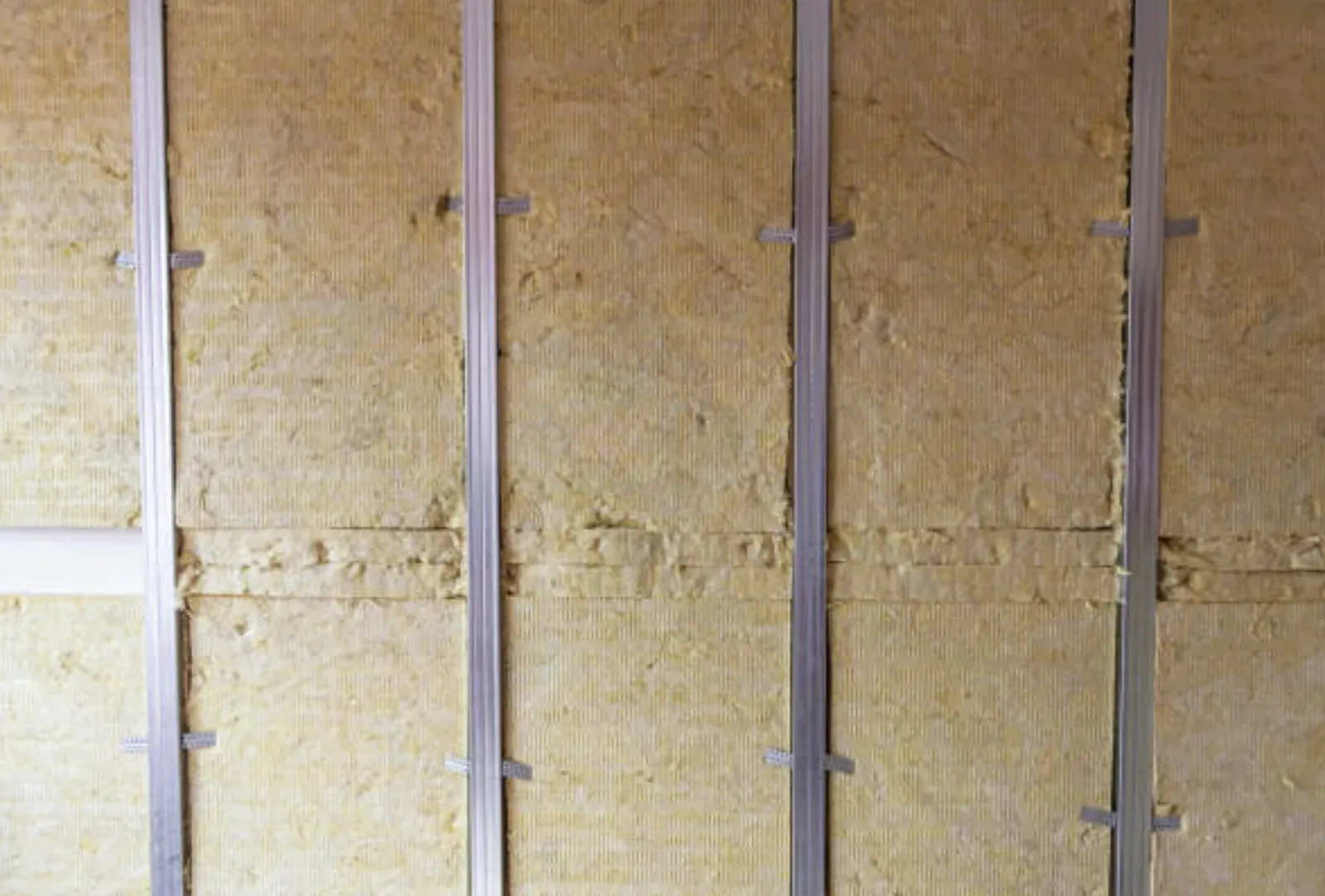
There isn’t one universal soundproofing method, there are three basic mechanisms, and the right combination depends on the wall and the budget. Adding mass, extra layers of drywall or a mass-loaded product like QuietRock, makes it physically harder for sound energy to pass through the wall. Decoupling, most often done with resilient channel that separates the drywall from direct contact with the studs, stops vibration from transferring straight through the framing. Damping, layering compound between sheets of drywall, dissipates sound energy as heat rather than letting it pass through as vibration. A wall being rebuilt from scratch during a unit conversion can combine all three for a real, measurable STC improvement. A wall being retrofitted around an existing tenant’s schedule might use just one or two of these methods to balance cost against the improvement needed.
Retrofitting an occupied unit versus building it in from the start
The cost difference between adding sound isolation during new construction or a gut renovation, when the studs are already exposed, and retrofitting it into a finished, occupied unit is significant. Once drywall is up, insulated, taped, and painted, adding resilient channel or a mass-loaded layer means removing that finished wall entirely just to access the framing again. Brockton Precision Drywall flags this directly to condo associations and property owners planning any renovation that opens up a party or demising wall: if there’s even a chance sound isolation will matter later, the smart move is addressing it while the wall is already open, not waiting for a noise complaint to justify a second, more expensive retrofit.
Condo conversions and the demising wall question
As more of Brockton’s older multi-family and formerly commercial buildings get converted into condos, the demising wall, the wall separating one owned unit from the next, becomes a shared responsibility question as much as a construction one. A condo association converting a building or renovating common areas has a real interest in getting sound isolation right the first time, since it’s far easier to specify a mass-loaded or resilient-channel assembly during construction than to retrofit unit by unit after owners move in and start complaining to the board. Brockton Precision Drywall works with associations and unit owners directly on these projects, recommending an STC target that balances cost against a realistic, noticeable improvement in day-to-day livability.
Setting realistic expectations about what soundproofing actually does
No wall assembly makes a shared wall silent, and Brockton Precision Drywall is upfront about that before a customer commits to the job. What a well-built sound-isolated assembly does is bring loud, intrusive sound, a television at normal volume, footsteps, conversation, down to a background level that doesn’t intrude on daily life. Customers who understand that going in, rather than expecting total silence, end up satisfied with the result because the expectation matched the outcome. Brockton Precision Drywall walks through the realistic improvement for the specific wall and noise issue during the initial assessment, so nobody’s surprised after the job is done.
Materials & standards
Products & materials we use
- QuietRock
- USG Sheetrock
- National Gypsum Gold Bond
Standards & codes we work to
- STC (sound transmission class)
- Massachusetts State Building Code (780 CMR)
What the terms mean
- resilient channel
- mass-loaded board
- party wall
- demising wall
- sound dampening
- decoupling
- shaft wall
Options & variants
| Option | When it applies | Cost |
|---|---|---|
| Resilient channel with standard drywall | Existing wall upgrade where framing stays in place | Moderate cost, effective STC improvement |
| QuietRock or mass-loaded board | New construction or renovation where a higher STC target is needed without adding channel depth | Higher material cost, simpler installation than resilient channel |
| Double-layer drywall with damping compound | Party walls needing significant sound reduction, often paired with insulation in the cavity | Moderate to higher cost |
| Full demising wall rebuild | Gut renovation or unit conversion where the wall assembly is being built from scratch | Highest cost, best long-term result since it's designed in from the start |
What affects cost
- • Target STC rating, since a modest improvement costs less than a wall assembly designed for maximum sound isolation
- • Whether the wall is new construction, exposed framing during a renovation, or an existing finished wall that needs to be opened up first
- • Product choice, since mass-loaded board like QuietRock costs more per sheet than standard drywall but can simplify installation compared to resilient channel and insulation
- • Whether the work covers one wall, a full unit's demising walls, or a whole building as part of a condo conversion
- • Whether ceiling/floor sound transmission is also being addressed, which adds scope beyond a single wall
What to expect
- 1
Describe the noise issue
The customer describes the noise issue, which wall or ceiling it's coming through, and whether this is new construction, a renovation, or a retrofit of an existing finished space.
- 2
Recommend an assembly
Brockton Precision Drywall assesses the existing wall assembly, if any, and recommends a combination of resilient channel, mass-loaded board, additional drywall layers, or cavity insulation to hit a realistic STC target for the situation and budget.
- 3
Open the wall if retrofitting
If retrofitting an existing wall, the current drywall is removed to expose the framing before the new assembly goes in.
- 4
Install the new assembly
The new wall assembly is installed, resilient channel or mass-loaded board as specified, insulation in the cavity if included, and drywall layers finished to match the surrounding space.
- 5
Set expectations
The customer is walked through what to expect: soundproofing reduces sound transmission significantly but doesn't eliminate every sound, and Brockton Precision Drywall sets that expectation clearly before the job starts.
When this isn’t the right call
- If the wall assembly is fine and the goal is just a smooth or updated visual finish rather than sound control, skim coat and Level 5 finish is the better fit.
- If the wall needs to be opened up as part of a larger gut renovation regardless of soundproofing, start with drywall removal and demolition, then soundproofing can be added while studs are exposed.
- If the noise issue is actually coming through a door, window, or floor rather than the wall itself, a soundproofing contractor specializing in doors and flooring may be a better fit than a drywall assembly change.
- If the wall just has ordinary cosmetic damage unrelated to sound, drywall repair and patching is the better fit.
Frequently asked questions
What is QuietRock, and how is it different from regular drywall? +
QuietRock is a mass-loaded drywall product built with internal damping layers designed to reduce sound transmission more than a standard sheet of the same thickness, often used where adding resilient channel isn't practical.
What's an STC rating, and what should I aim for? +
STC, sound transmission class, measures how much a wall assembly reduces sound. Higher numbers mean less sound crossing through. Brockton Precision Drywall recommends a target based on the specific noise issue and budget rather than assuming everyone needs the maximum possible rating.
Can you soundproof an existing wall without tearing it open? +
Some improvement is possible without opening the wall, but the most effective soundproofing methods, resilient channel and mass-loaded board, require access to the framing, so most retrofits involve removing the existing drywall first.
Will soundproofing make the wall completely silent? +
No, soundproofing significantly reduces sound transmission but doesn't eliminate it entirely. Brockton Precision Drywall sets realistic expectations about the improvement before the job starts.
We're a condo association dealing with noise complaints between units. Can you help? +
Yes, party wall and demising wall soundproofing between condo units is common work for Brockton Precision Drywall, particularly in the city's multi-family and condo-conversion stock along the MBTA corridor.
Is this worth doing on a triple-decker with thin party walls? +
Often yes, especially during a renovation when the wall is already open. Adding resilient channel or mass-loaded board while the studs are exposed costs far less than retrofitting it later on a finished wall.